
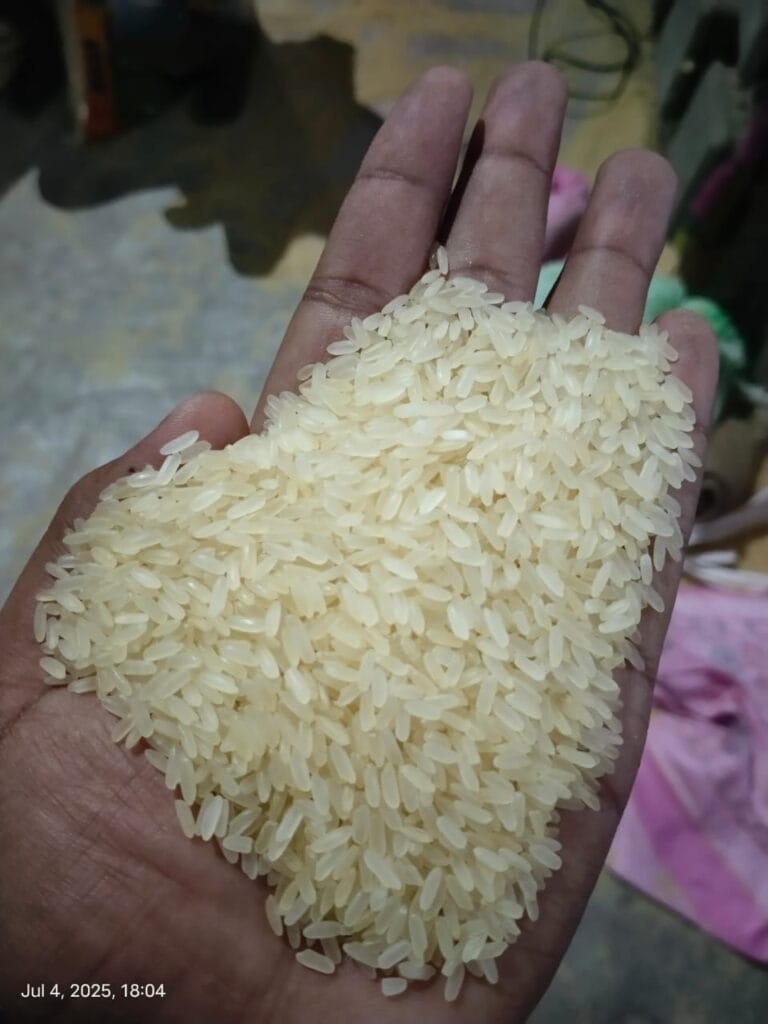
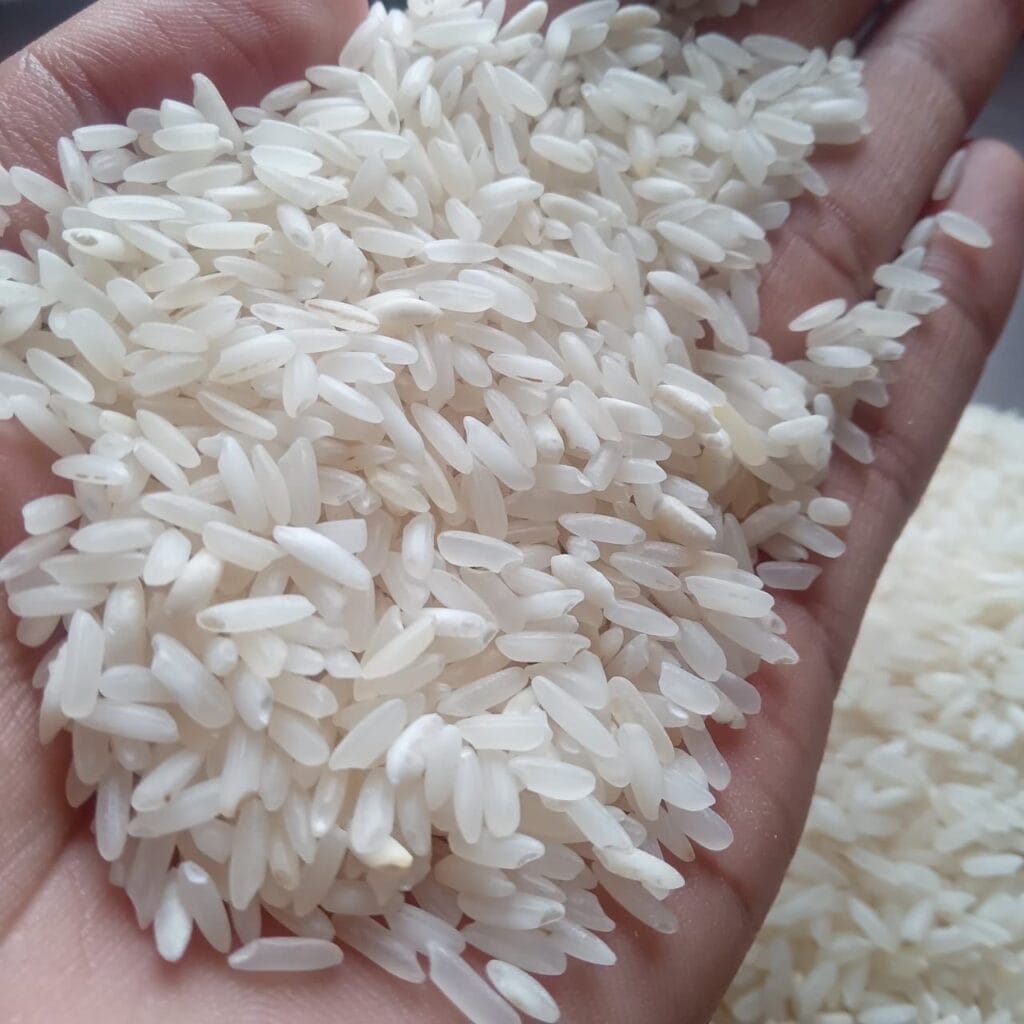
Negotiating rice prices with millers is one of the most important skills a new exporter must learn. Many exporters focus heavily on finding overseas buyers but ignore sourcing strategy. This directly impacts margins, quality consistency, and long-term success.
At Kivaro Global, sourcing is treated as a strategic function, not just procurement. Years of market interaction have shown that smart negotiation is about understanding how mills operate, not just asking for a cheaper rate.
You can learn more about our export approach here:
Home
Why Price Negotiation with Rice Millers Matters in Exports
Rice exports operate on thin margins. Even a small difference in procurement price can decide whether an export order is profitable or not.
Millers prefer exporters who understand quality parameters, payment discipline, and seasonal supply cycles. This is where new exporters can differentiate themselves.
Kivaro Global works closely with mills and farmers to maintain consistency across export shipments, which helps in long-term price stability and trust based sourcing.
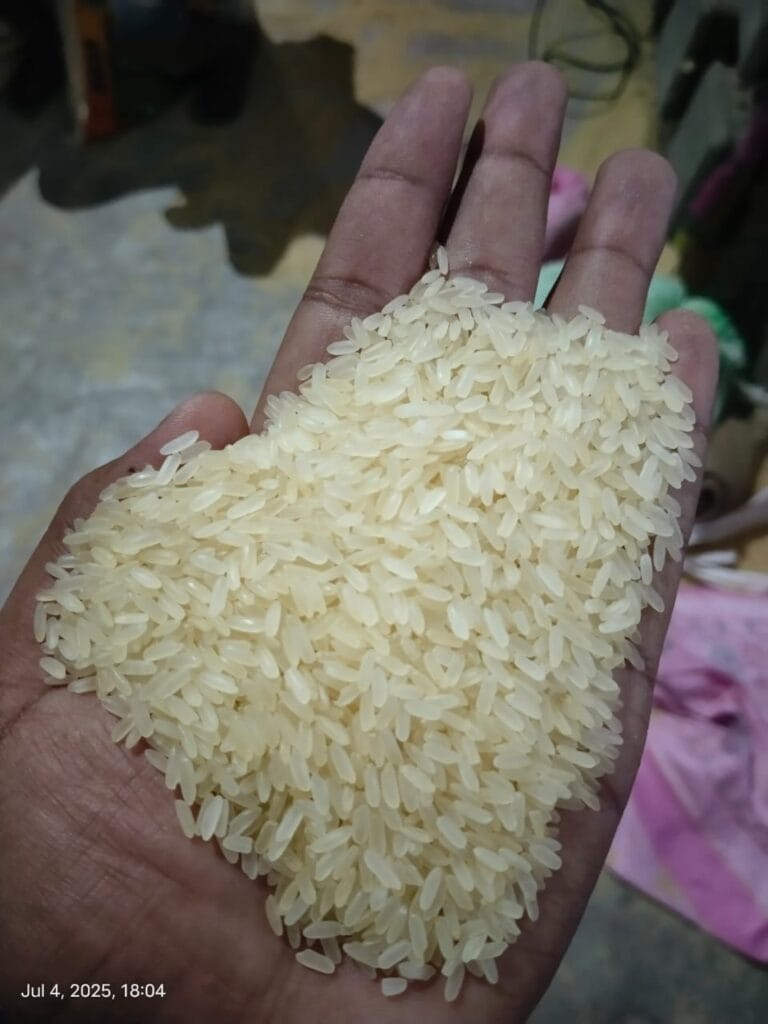
Method 1 Use Moisture Level Adjustment to Improve Negotiation Power
Moisture content has a direct impact on milling output. Lower moisture leads to higher broken percentage. Controlled moisture improves head rice recovery and reduces losses for the miller.
By agreeing to acceptable moisture limits within buyer specifications, exporters can negotiate better prices without compromising quality.
Important points:
-Moisture must comply with destination country norms
-Storage and shipment safety must be maintained
-Moisture specifications should be mentioned clearly in documentation
This approach is commonly used by professional exporters supplying to Africa, the Middle East, and Asian markets.
Method 2 Negotiate Cash Discount Instead of Base Price Reduction
Millers value liquidity. Faster payment often matters more than a slightly higher price.
Instead of pushing for a rate cut, negotiate payment terms such as:
-Advance payment before milling
-Payment on loading
-Reduced credit cycle
This approach is regularly used by experienced exporters like Kivaro Global, where smooth payment systems help secure better commercial terms from mills.
Method 3 Use Harvest Season and Market Availability to Your Advantage
Rice prices are highly seasonal. Negotiation power increases during peak harvest periods when mills have higher inventory pressure.
Best negotiation windows:
-Peak harvesting season
-High paddy availability
-Stable export demand
Poor negotiation timing includes sudden demand spikes or government procurement uncertainty.
Understanding market cycles is a key part of Kivaro Global’s sourcing strategy, helping maintain competitive pricing across multiple destinations.
Combine All Three Methods for Best Results
The strongest negotiation strategy combines:
-Technical quality understanding
-Payment flexibility
-Seasonal market timing
This positions an exporter as a long-term partner, not a transactional buyer.
Common Mistakes New Exporters Make
-Focusing only on price, ignoring quality parameters
-Not discussing moisture and broken percentage
-Accepting verbal commitments without documentation
-Negotiating during unfavorable market conditions
Avoiding these mistakes builds credibility with mills and suppliers.
Final Thoughts for New Exporters
Successful rice exporters do not compete on price alone. They compete on sourcing intelligence, consistency, and relationships.
If you are starting your export journey, learning how to negotiate correctly with millers is essential. Strong sourcing is the foundation of sustainable exports.
To understand how professional exporters manage sourcing, documentation, and international shipments, visit:
Home
Pingback: Why IR64 Parboiled Rice Dominates Global Non Basmati Rice Exports - Kivaro Global